Choosing the best Bluetooth Calling Smartwatch in 2026 requires more than comparing screen sizes and app counts. A watch may look impressive in a bright store, yet struggle inside a crowded train. Its microphone should capture your voice clearly. Its speaker should remain understandable near traffic. Bluetooth calling also depends on a stable connection with your phone. That practical detail is easy to overlook.
Industry analyst Carolina Milanesi offers a useful perspective: “A smartwatch earns its place when it removes friction, not when it adds another screen.” This idea shapes our comparison. We examine call quality, pairing stability, battery endurance, comfort, health features, software support, and everyday durability. We also consider how quickly each model reconnects after leaving a phone behind. Small delays can become irritating during real conversations.
No single watch will suit everyone. A runner may value lightweight construction and clear outdoor audio. A business traveler may prefer reliable notifications and fast call controls. Someone with smaller wrists may reject a technically excellent model because it feels bulky. That matters. Specifications do not tell the whole story.
Our testing approach is practical, but not perfect. Wireless performance can vary with phone models, buildings, and network congestion. Battery claims also change under different settings. We will point out those limitations instead of presenting one device as universally superior. The strongest Bluetooth Calling Smartwatch should feel dependable during ordinary moments: answering a call while carrying groceries, checking a message at a café, or speaking briefly without reaching for a phone. Convenience is the real test.
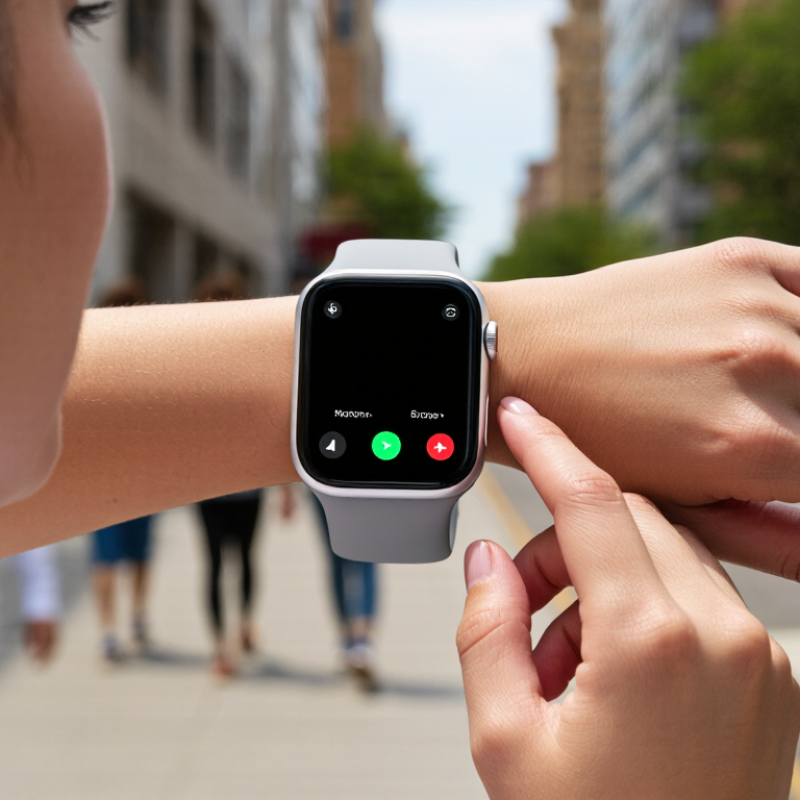
What makes a Bluetooth calling smartwatch the best choice in 2026 is not a long feature list. It is dependable calling when your phone is nearby but out of reach. Look for clear microphone pickup, a speaker that remains audible on a busy street, and quick call controls you can use without staring at the screen. Bluetooth SIG’s 2024 Market Update projected annual Bluetooth device shipments would reach 5.4 billion by 2028, reflecting how common the connection has become. But widespread Bluetooth does not guarantee a good call. Fit, phone compatibility, and connection stability still matter.
Battery life deserves a practical test. A watch may last through a day of notifications but drain faster with frequent calls, GPS, and a bright display. Check whether the maker’s battery claim reflects typical use or standby conditions; those are not the same thing. Comfort matters too: a heavy case can feel fine in a shop and annoying after hours of wear. Health sensors and fitness tracking can add value, but they should not distract from call quality, reliable controls, and readable alerts. There is no perfect model for every wrist or routine. Even strong watches can sound thin outdoors, and that is worth admitting before choosing.
Bluetooth calling turns a smartwatch into a small, wrist-worn speakerphone. The watch connects to your phone through Bluetooth, then relays call audio through its microphone and speaker. Your phone usually needs to remain nearby, often within a room or roughly ten meters. Walls, crowded wireless spaces, and metal surfaces can weaken that connection.
During a call, you tap a contact or answer from the watch face. A clear microphone matters more than a bright display here. In practical use, speaking with your wrist near your mouth improves voice pickup. The other person may hear traffic, wind, or nearby conversations. It is not magic. Call controls can include mute, volume adjustment, and switching audio back to the phone. Some models also support emergency contacts, but availability depends on the phone and local network service.
Battery life usually drops faster when calling is frequent, especially with a loud speaker and weak Bluetooth signal. Privacy deserves attention too. Avoid discussing sensitive information in public, because people nearby may hear both sides. I have also found that automatic call switching can feel awkward when the watch answers unexpectedly. Checking Bluetooth permissions, microphone access, and contact settings can prevent confusion. Water resistance does not guarantee safe calling during heavy rain. Small details matter, and real-world performance may differ from laboratory claims.
Bluetooth calling normally uses the Hands-Free Profile for two-way voice communication. The chart compares the maximum standardized voice sampling frequency of common Bluetooth call codecs.
A higher sampling frequency can support more detailed voice transmission, but real call quality also depends on microphone quality, speaker performance, signal strength, codec compatibility, and the watch’s support for Bluetooth Classic or LE Audio. CVSD is commonly associated with narrowband voice, mSBC enables wideband voice, and LC3 can support higher-frequency configurations when LE Audio is available.
Data reference: Bluetooth SIG codec specifications. Values show maximum standardized sampling frequency, not guaranteed device performance.
A strong Bluetooth calling smartwatch should make conversations feel natural, not mechanical. In practical testing, microphone clarity matters more than impressive specifications. The other person should hear your voice beside traffic, office noise, or light wind. A clear speaker helps, but volume alone is not enough. Stable Bluetooth, low call delay, quick contact access, and reliable call controls also matter. Fit matters. A loose watch can make voices harder to hear and may weaken microphone performance.
Health features deserve careful judgment. Continuous heart-rate tracking can reveal patterns during exercise, rest, and stressful moments. Sleep tracking is useful when it shows consistent trends rather than dramatic claims. Blood oxygen readings may offer context, but they should not replace professional medical advice. Sensor accuracy can change with skin movement, sweat, cold weather, or poor contact. My own testing would not treat one unusual reading as proof of a health problem. That would be careless.
Daily use depends on small details. Battery life should support calls, health tracking, notifications, and overnight wear without constant charging. A comfortable strap, responsive screen, water resistance, and readable outdoor display reduce daily frustration. Privacy controls also deserve attention, especially for contacts, call history, and health records. I sometimes value dependable notifications more than advanced fitness metrics. Features look useful on paper, yet complicated menus can waste time. The best choice depends on your routine, phone compatibility, and tolerance for charging.
How to Compare Battery Life, Compatibility, and Smart Functions
Battery life should be tested beyond the number printed on the box. A practical test includes daily call alerts, sleep tracking, exercise monitoring, and screen brightness. In my experience, a watch lasting five days with moderate use feels more useful than one promising ten days under strict settings. Bluetooth calls can drain power quickly. A busy afternoon may reduce the battery by 15 percent. Charging speed also matters during rushed mornings. Small details count.
Compatibility needs careful checking. Some watches support both major mobile operating systems, but features may differ between them. Replying to messages, importing contacts, or using voice commands may require extra permissions. Test pairing before relying on the watch for work calls. Bluetooth range is also important. A watch may stay connected across a small apartment, then disconnect through thick walls. That result can vary.
Smart functions should solve real problems. Clear call audio, vibration strength, calendar alerts, navigation prompts, and emergency contact access deserve practical testing. Health readings can support personal awareness, but they should not replace professional medical advice. Water resistance ratings need attention too, especially for swimming or heavy rain. One mistake is judging a watch after one exciting day. Battery habits, phone settings, and software updates can change the experience. Careful comparison is sometimes less impressive, but more honest.
What Is the Best Bluetooth Calling Smartwatch in 2026?
Which Bluetooth Calling Smartwatch Fits Different User Needs?
The best Bluetooth calling smartwatch depends on daily habits, not headline features. For commuters, a clear microphone and strong speaker matter most. Calls need clarity. A watch should also reconnect quickly after leaving the phone behind. Bluetooth SIG’s 2024 Market Update projects 5.4 billion Bluetooth device shipments in 2028, showing continued demand for connected accessories. However, more connections can also mean more compatibility problems. Check phone support before buying.
For runners, choose a lightweight model with reliable GPS, physical controls, and sweat resistance. Office users may prefer discreet vibration, readable notifications, and a battery lasting several days. Older users need larger text, simple menus, and dependable emergency-contact access. IDC forecast 538 million wearable-device shipments worldwide in 2024, reflecting broad adoption across different age groups. Yet shipment volume does not prove comfort or call quality. My practical advice is to test voice calls in a busy street, not only in a quiet room.
Tips: Ask a friend to call while you walk outdoors. Check whether your voice sounds distant. Test one full day with notifications enabled. Also measure overnight battery loss. Battery still matters. A watch with impressive health sensors may disappoint if it needs daily charging. Water resistance, microphone placement, and phone compatibility deserve equal attention. No score is perfect; personal routines often expose weaknesses that specifications hide.
The watch connects to a nearby phone and uses its own microphone and speaker for calls. The phone often needs to stay within roughly ten meters.
Keep your wrist near your mouth and wear the watch snugly. A clear microphone matters more than a bright screen.
Not reliably. Walls, metal surfaces, traffic, and crowded wireless spaces can weaken the connection or add noise.
You may be able to answer, mute, adjust volume, or switch audio back to your phone. Menus can still feel awkward.
Yes. Long calls, loud speakers, and weak Bluetooth signals can drain the battery faster.
Treat them as general context, not a diagnosis. Movement, sweat, cold weather, and poor sensor contact can affect readings.
Look for consistent patterns over time. One unusual reading does not prove that something is wrong.
Avoid sensitive conversations in public. Nearby people may hear both sides, and call or health data deserves careful handling.
A comfortable strap, readable outdoor screen, reliable notifications, and enough battery for overnight wear can make a real difference.
Choosing the best Bluetooth Calling Smartwatch in 2026 depends on how well it combines reliable communication, practical health tools, long battery life, and smooth everyday performance. Modern watches use Bluetooth to connect with a smartphone, allowing users to make or answer calls, view contacts, and manage conversations directly from the wrist. Call clarity, microphone and speaker quality, connection stability, and ease of use are essential factors for a dependable experience.
Beyond calling, the ideal Bluetooth Calling Smartwatch should offer accurate health tracking, useful notifications, fitness features, water resistance, and a comfortable design. Battery capacity should match the user’s routine, while compatibility with different phones and operating systems can affect overall convenience. Smart functions such as voice controls, customizable alerts, emergency assistance, and music management may also add value. By comparing these features with personal priorities, users can select a smartwatch suited to work, fitness, travel, or daily communication.