Engineered smart wearables, audio & connectivity hardware — explore the new technology

Choosing a 2G Kids Smartwatch for global use requires more than comparing colorful screens and advertised features. Parents, distributors, and retailers must examine network compatibility, regional coverage, and local service quality. A watch may connect reliably in one country, yet fail after a carrier retires its 2G service. This uncertainty matters. The right decision begins with the child’s daily route, the family’s mobile network, and the seller’s ability to provide clear technical evidence.
Look for supported GSM bands, SIM requirements, roaming terms, and emergency-call limitations. Ask for tested battery performance, not only standby claims. A child walking home needs dependable location updates, audible calls, and a simple SOS button. Water resistance, strap comfort, screen readability, and secure charging also deserve attention. We should not treat GPS accuracy as perfect. Buildings, weather, and network conditions can affect results. Hands-on testing remains valuable.
Reliable suppliers should explain firmware support, app permissions, data handling, warranty coverage, and replacement procedures in plain English. Independent certifications and documented quality checks add confidence, but paperwork alone cannot prove everyday durability. Compare sample units, review return policies, and test the watch across the intended region before placing a large order. A 2G Kids Smartwatch can be practical for basic communication, but it is not automatically future-proof. That limitation should shape every global buying decision.
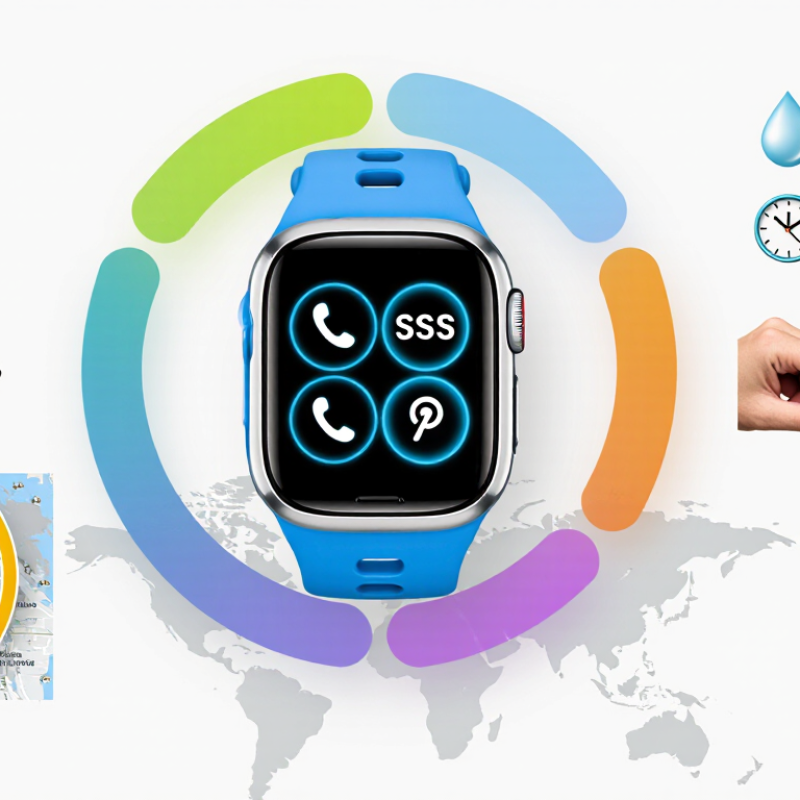
Choosing a 2G kids smartwatch starts with the child, not the feature list. Consider age, daily routine, and independence level. A preschool child may need simple calling and a large SOS button. An older child may need location sharing, scheduled reminders, and limited two-way communication. Keep the purpose clear. More functions can create confusion.
Think about real situations. Will the child walk to school alone? Will the watch be used during family trips? Does the caregiver need occasional location checks, or frequent contact? A 2G device may suit basic voice calls and simple messages. However, network availability differs widely between countries. Check local 2G coverage, supported frequencies, SIM requirements, and planned network changes before purchasing. This step is often overlooked.
Tips: Write three everyday scenarios before comparing models. Test the button with the child. Check whether the screen is readable outdoors. Ask who will manage contacts and settings. Battery life also matters. Frequent location updates can drain power quickly. Water resistance should match real use, not marketing language.
During practical evaluations, simple controls usually perform better than crowded menus. Children may press buttons with wet or hurried hands. A lighter watch can feel more comfortable, but a smaller battery may require daily charging. That trade-off needs honest consideration. A parent might expect reliable tracking everywhere, yet indoor accuracy can be imperfect. Treat location data as helpful guidance, not an exact boundary. Test the watch near home before depending on it during travel.
Start with the child’s age, routine, and independence level. A preschooler may need simple calls and a large SOS button. Older children may use reminders, location sharing, and limited messaging. More features can cause confusion.
It can suit basic voice calls, simple messages, and occasional location checks. Write three everyday scenarios before comparing devices. Consider school walks, family trips, and indoor use. Keep the purpose clear.
Confirm current 2G coverage in every target country. Check supported GSM bands, such as 850, 900, 1800, and 1900 MHz. Also review network shutdown plans and local coverage quality. Official operator information is safer than general listings.
Not always. Confirm that the SIM supports 2G registration, voice calls, SMS, and data. Check roaming conditions near borders. A valid SIM may still fail locally.
Test it near home, school, and usual travel routes. Press the SOS button with the child. Check outdoor screen readability and contact access. Try the watch indoors, too.
Location data can offer helpful guidance, but it is not an exact boundary. Indoor accuracy may weaken near concrete walls. Frequent updates can drain the battery quickly. I would test it before travel.
Look for a clear SOS button and dependable calls to approved contacts. Confirm whether alerts include location when available. Test emergency calling calmly before daily use. An SOS button cannot replace supervision.
Use strong account passwords and limit location sharing. Check where records are stored and who can access them. Avoid unnecessary microphones, cameras, or open contacts. Privacy settings remain confusing sometimes.
A lighter watch may feel better on a small wrist. However, it may have a smaller battery and need daily charging. Location tracking increases power use. Charging routines are easy to underestimate.
Match water resistance with real activities, such as rainy walks or hand washing. Check charging safety and support language. Keep another communication method during trips. No checklist is perfect.
Choosing a 2G Kids Smartwatch for global use begins with understanding the child’s daily needs, such as calling family, location sharing, simple messaging, reminders, or emergency assistance. Buyers should confirm that 2G networks remain available and compatible in every target country, since network access can differ by region and may change over time. Safety and privacy should also be carefully reviewed, including secure communication, controlled contacts, location permissions, and reliable emergency functions.
It is equally important to compare battery performance, location accuracy, call quality, and practical features for everyday use. A durable, comfortable design can better withstand active children, while clear instructions, responsive customer support, reasonable pricing, and available replacement accessories contribute to long-term value. By evaluating connectivity, protection, performance, and ongoing usability together, families and distributors can select a dependable 2G Kids Smartwatch that matches local conditions and the child’s real lifestyle.